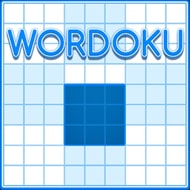
Wordoku elevates the classic number puzzle by integrating vocabulary challenges into its core. Solvers populate a 9×9 grid with letters, adhering to the fundamental rule that each character must be unique across every row, column, and designated 3×3 block. The unique twist emerges upon completion: the correctly placed letters reveal a secret word, adding a layer of linguistic discovery to the logical exercise. This fusion sharpens critical thinking, deductive reasoning, and the ability to spot patterns.
Grid Mechanics and Letter Placement
Each puzzle begins with a grid containing strategic pre-placed letters. The solver’s task is to deduce the remaining characters through meticulous observation and inference, ensuring no rule is broken. A single misstep can disrupt both the grid’s integrity and the formation of the hidden word, making every decision crucial.
- Row analysis: Scrutinize each horizontal line to guarantee letter uniqueness.
- Column inspection: Examine vertical lines to prevent duplicate characters.
- Subgrid validation: Confirm that each 3×3 section contains a complete, non-repeating set of nine letters.
- Letter elimination: Systematically rule out impossible letters for each cell to pinpoint the correct one.
- Pattern recognition: Identify recurring letter arrangements or positional constraints that serve as placement guides.
Word Formation and Puzzle Completion
The ultimate goal extends beyond filling the grid; it’s about unveiling the concealed word. This requires a dual-focused strategy, where players must constantly weigh letter placements against both Sudoku’s strict rules and the emerging word structure. Victory is achieved by seamlessly blending lexical insight with systematic deduction.
- Word tracking: Assemble fragments of the hidden word by monitoring letter sequences as they appear.
- Strategic placement: Choose positions for letters that satisfy the grid’s logic while actively contributing to the word’s formation.
- Error detection: Continuously audit the grid for placement conflicts that could invalidate the word or the puzzle’s rules.
- Incremental solving: Build momentum by systematically completing the most straightforward sections first.
- Final verification: Conduct a comprehensive check to ensure all row, column, and subgrid constraints are met before confirming the solution.
Difficulty Levels and Puzzle Strategy
With a range of difficulties, from beginner-friendly grids to expert-level brain teasers, Wordoku demands adaptable strategies. Solvers learn to attack puzzles by first targeting rows, columns, or blocks with the fewest possibilities, or by focusing on less common letters to limit options. Mastering these puzzles is an exercise in advanced logical reasoning and foresight.
- Hint management: Leverage given clues as foundational anchors for more complex deductions.
- Progressive solving: Isolate and solve the most constrained areas to create a cascade of new possibilities.
- Deduction chains: Execute interconnected logical steps that resolve the positions of multiple letters simultaneously.
- Error correction: Maintain a flexible approach, ready to backtrack and correct misplacements that cause dead ends.
- Time efficiency: Cultivate a balance between speed and precision to enhance the satisfaction of a well-solved puzzle.
Wordoku masterfully intertwines the disciplined logic of Sudoku with the thrill of a word hunt, delivering a deeply engaging cognitive workout. By honing their deduction, pattern recognition, and strategic planning, players can consistently conquer grids, discover hidden words, and find endless enjoyment in progressively more demanding challenges.